One in three children shows signs of chronic stress as early as the age of seven, according to a study by Inserm published in 2022. However, simple adjustments in family communication significantly reduce these manifestations, regardless of the socio-economic context.
What we believe to be instinctive, what almost goes unnoticed in daily life, can sometimes surpass the grand educational theories. Establishing a stable framework, openly naming emotions, creating rituals: these ordinary gestures shape, day after day, an environment where children thrive and gain independence. Today, there are many avenues of reflection from research to enrich family life and strengthen relationships, without artifice or universal recipes.
Positive parenting: why changing our perspective on education makes all the difference
For about a decade, positive parenting has emerged as a path for the future, far from authoritarian constraints. Perhaps it has been too quickly reduced to a trend, while it digs, through listening and connection, deep furrows in families. Drawing on the work of Catherine Gueguen or Isabelle Filliozat, the entire approach to the child transforms: here, kind communication takes precedence, recognition replaces fear, and affection builds lasting trust.
Putting words to a child’s emotions allows them to see more clearly what they are experiencing. Saying “I see that you are angry,” or “You seem a bit worried” immediately establishes a form of mutual respect. Positive education does not mean giving up on structure: it involves establishing clear, explained rules that protect without stifling. Neuroscience research confirms it: the sense of security created by attachment plays a key role in trust and openness to the world.
Parenting, on a daily basis, is not only nourished by concepts. Resources abound, but one must find those that resonate. Those who seek an approach rooted in experience can find concrete proposals, tailored advice, and feedback from families that are progressing step by step on https://www.parentsetmomes.fr/. Each person draws from it according to their history, their pace, without aspiring to perfection. Adjustments, doubts, the joy of progressing together: this is where a close-knit family, attentive to everyone’s needs, is forged day by day.
How to establish family habits that promote everyone’s flourishing?
Transforming the family environment starts with real availability. Setting aside screen-free times, sharing a meal, playing a board game, or simply going for a walk: these simple moments create belonging and establish the child’s inner security. Parental practices evolve, but honest listening remains the foundation. Allowing everyone to express their emotions, even clumsily, strengthens trust and complicity.
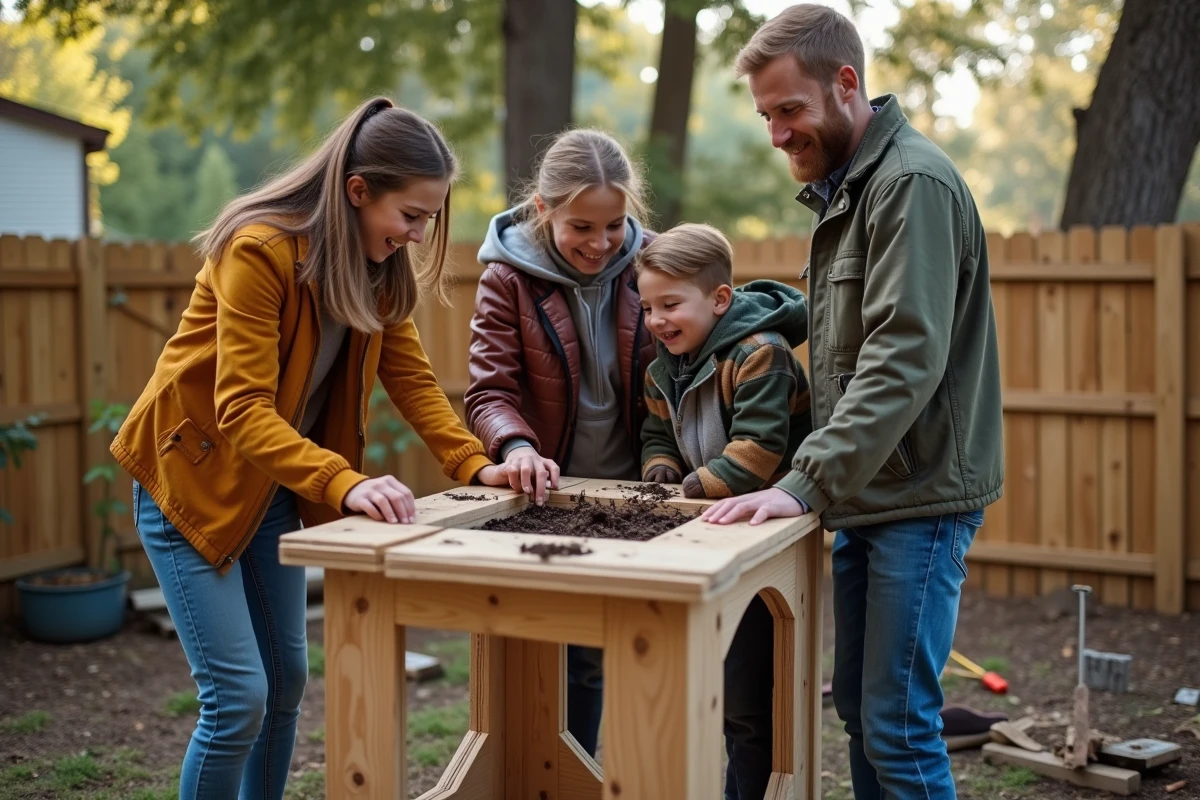
Helping a child cook, letting them participate in household decisions, or managing an appropriate task are not trivial gestures. Independence is built through action: a child who helps, who organizes their space, sees their confidence grow. These are the first milestones of self-esteem and cooperation, two pillars of family flourishing.
To nurture these bonds, certain rituals established over time play an unexpected role:
- End-of-day rituals: sharing a story, a notebook where everyone notes a gratitude, a time to exchange what mattered
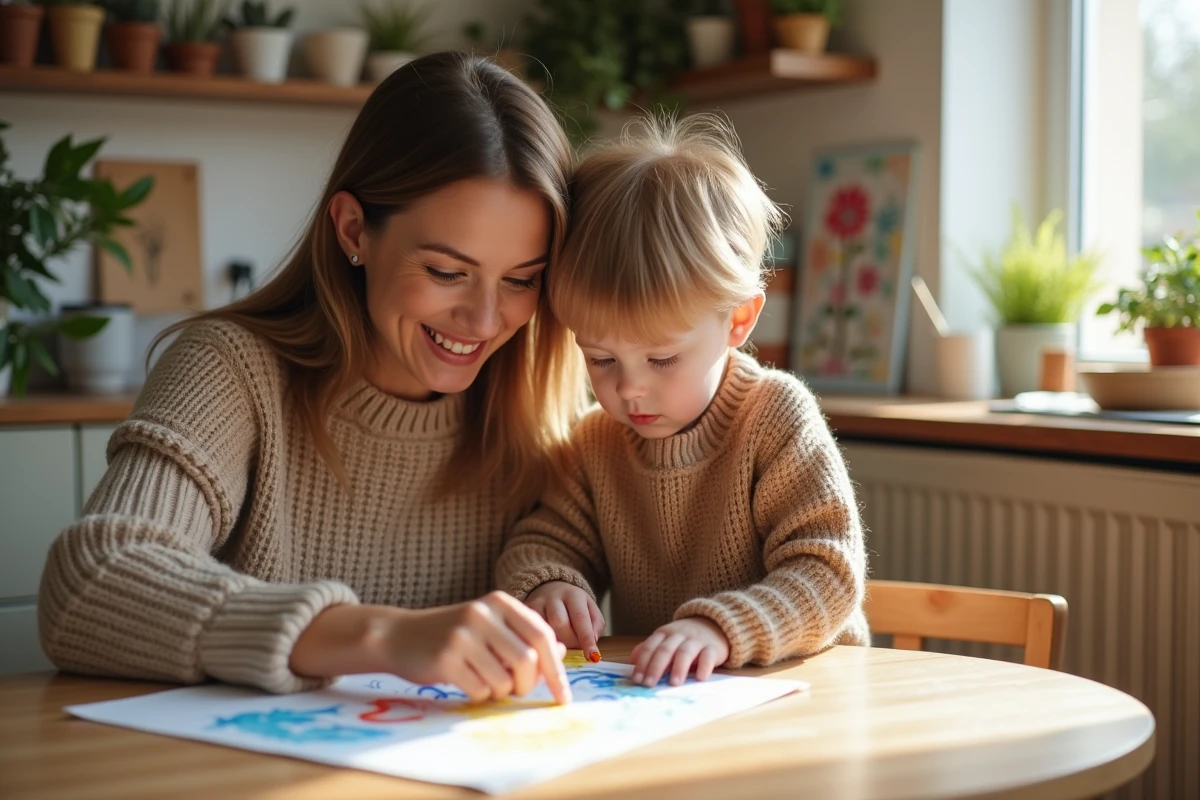
- Moments dedicated to creation: crafting, collective drawing, family cooking workshops
- Family council or talking circle: once a week or month, everyone can express themselves, propose, question
More than a manual, it’s about experimenting, testing, adjusting what works at home. The tools discussed on the same site support these child-centered approaches and give all families the opportunity to find their balance, without imposing a fixed model.
Concrete tips to encourage trust and happiness in daily life
Adopting kind communication means giving a real place to the child’s voice. Valuing an idea, welcoming a feeling, simply explaining a limit: these are all markers that gradually outline a solid and warm relationship. A kind word, a sign of attention, not artificial flattery, helps nurture self-esteem. We forget automatic encouragements: spontaneity and authentic listening carry much further.
In daily life, focusing on positive reinforcement makes a difference. Reminding the child of what they have succeeded in, valuing progress, congratulating a thoughtful gesture: these silent markers build their sense of competence. And often, it’s the little things, the details seen or heard, that leave a mark: a knowing wink, a reassuring hand, an invitation to participate in household life.
To anchor these practices simply, several gestures can naturally integrate into family life:
- Focusing on proximity gestures: a spontaneous hug, a hand on the shoulder, a reassuring smile, all precious signs for attachment.
- Regularly planning special moments to play, talk, or just share a moment, even if brief.
- Opening spaces for autonomy: letting the child choose their clothes, participate in tidying up, invent their organization at home.
No one goes through parenting without storms or doubts. When anger or sadness arise, offering a calm time or a space for expression helps everyone ease tensions. This way of welcoming each emotion, regularly, without dramatizing or minimizing, gradually transforms the family atmosphere. Growing together, in this patiently woven trust, is what leaves a lasting imprint long after the first steps.