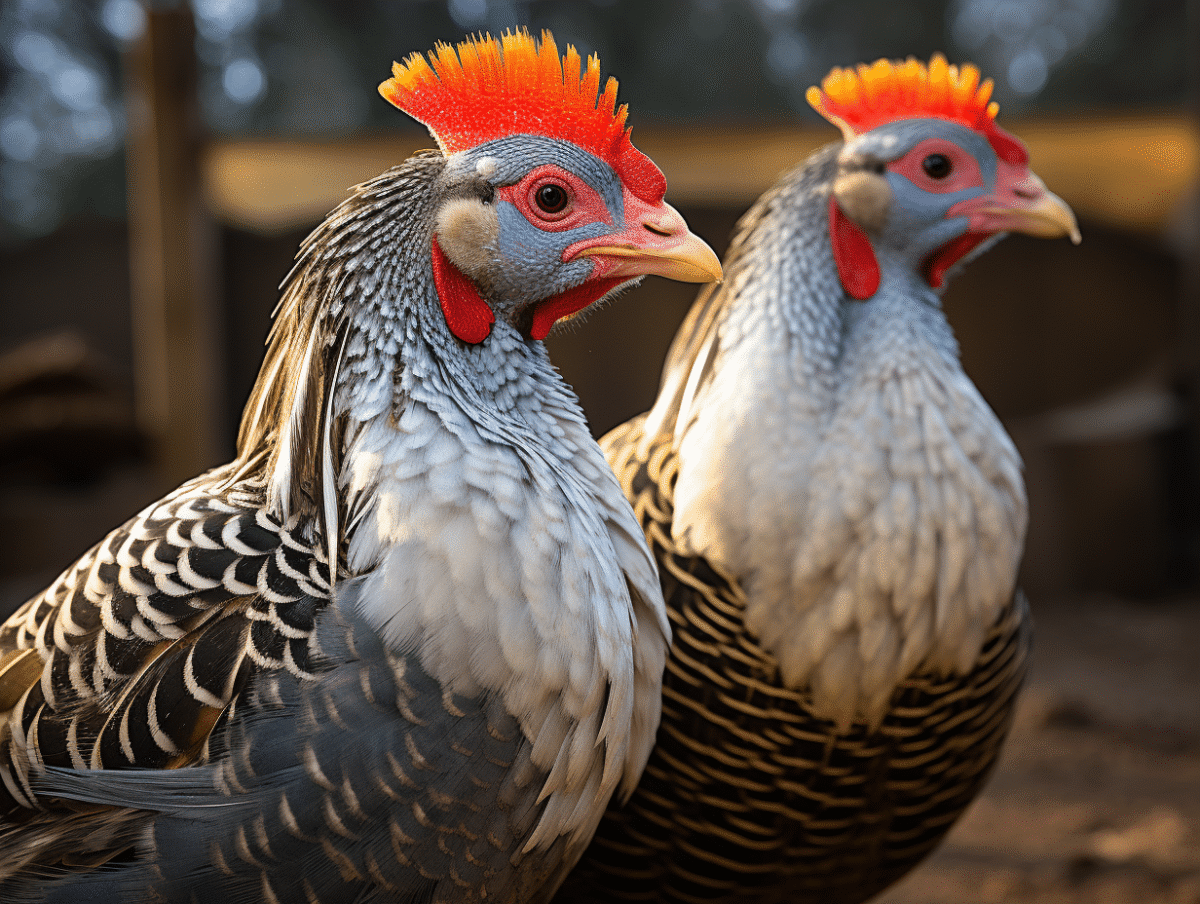
In the world of poultry farming, distinguishing between male and female guineafowl is crucial. This knowledge directly impacts herd management, egg production optimization, and breeding planning. Identifying the sex of guineafowl can be complex, as physical differences are not always obvious. Farmers must master these subtleties to maintain a balance in their populations and ensure healthy growth of their operations. This involves recognizing specific behaviors, morphological characteristics, and distinct vocalizations that allow differentiation between male and female guineafowl.
Distinctive Characteristics of Male and Female Guineafowl
Understanding the differences between male and female guineafowl has a strategic dimension for farming. Male guineafowl are distinguished by their more developed comb and more prominent wattles, these skin growths near the head. The male’s plumage often displays brighter hues, and its size is slightly larger than that of the female. These morphological signs, while useful, require a trained eye, as intraspecific variability can sometimes obscure these indicators.
Behavior is another key to unraveling the sex of these birds. Males are generally noisier, their calls are distinctive and resonate more powerfully than those of females. In terms of reproduction, only one male is needed to fertilize the eggs, highlighting the importance of their identification to ensure effective fertilization and optimal hatch rates.
During the incubation period, females exhibit maternal instincts, appearing calmer and often seen sitting on the eggs, a behavior rarely observed in males. This inclination to incubate is fundamental, as it directly impacts the hatch rate of the eggs and, consequently, the viability of the farming operation. Distinguishing males from females allows for structuring the farm according to the reproductive and behavioral roles of each sex, optimizing overall management of the operation.
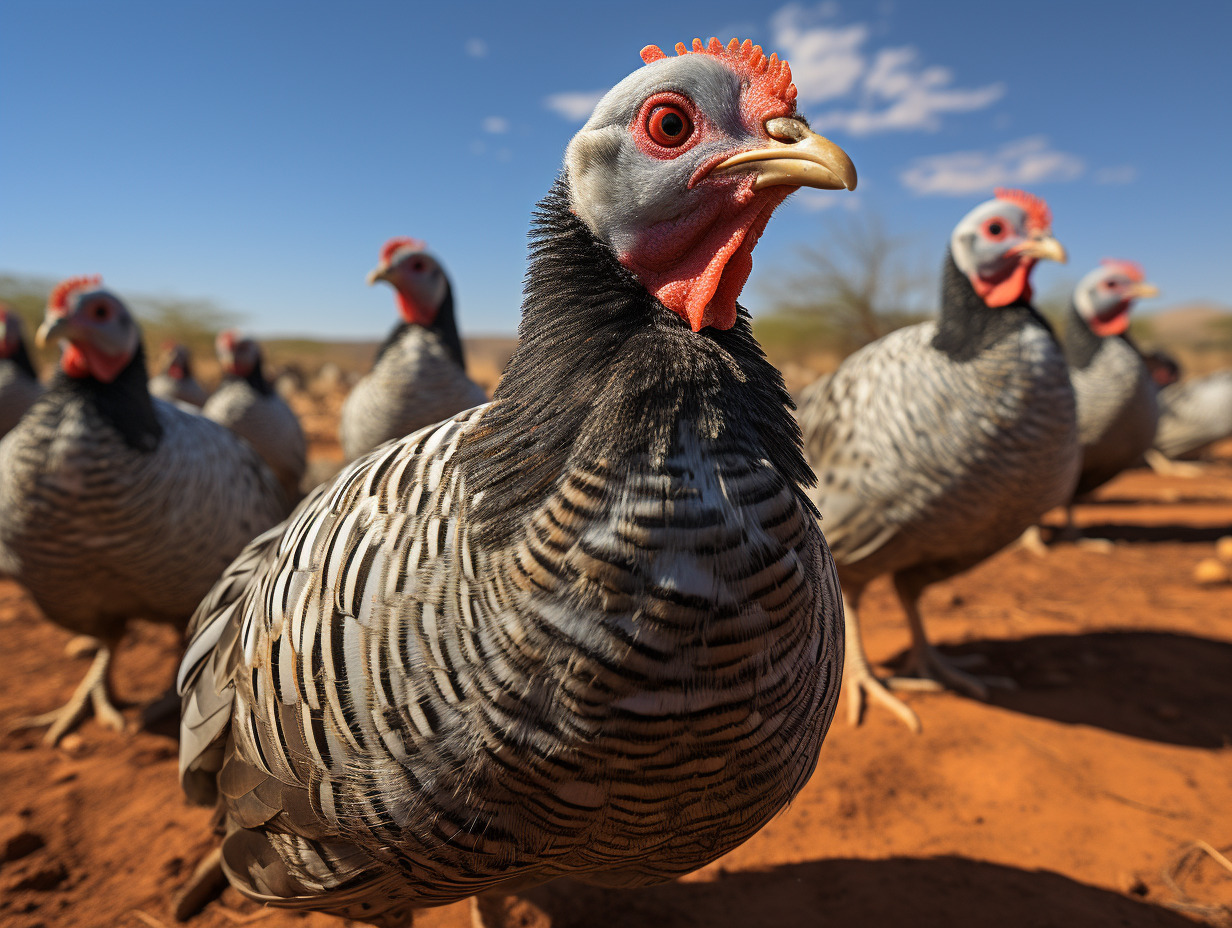
Breeding Strategies and Management of Guineafowl by Sex
Breeding guineafowl, robust and prolific animals, is adorned with subtleties that farmers must master for a successful operation. The sex ratio in poultry parks should not be overlooked: an adequate number of males ensures egg fertilization without causing unnecessary stress among females. Too many males can indeed disrupt the tranquility necessary for incubation, thereby reducing the hatch rate.
The management of nesting involves thoughtful space arrangement. Nests should be positioned to encourage females to lay their eggs in a controlled environment in terms of humidity and temperature, conditions that are essential for good incubation. Monitoring the habitat is crucial to prevent diseases that could decimate the vulnerable chicks, particularly during their first weeks of life.
Regarding health, guineafowl require attentive care. Chicks are sensitive to temperature fluctuations and infections. Farmers must therefore pay rigorous attention to the cleanliness of shelters and the quality of the diet, which should be omnivorous and rich, to maintain the animals’ vigor. Regular checks and prophylactic veterinary interventions help prevent the onset and spread of potentially fatal diseases.
The dietetics of guineafowl directly influences their well-being. A balanced and appropriate diet rich in proteins, vitamins, and minerals supports the harmonious development of chicks and maintains the health of adults. Constant access to fresh, clean water completes this picture, thus promoting optimal growth and preventing pathologies related to poor nutrition or dehydration.