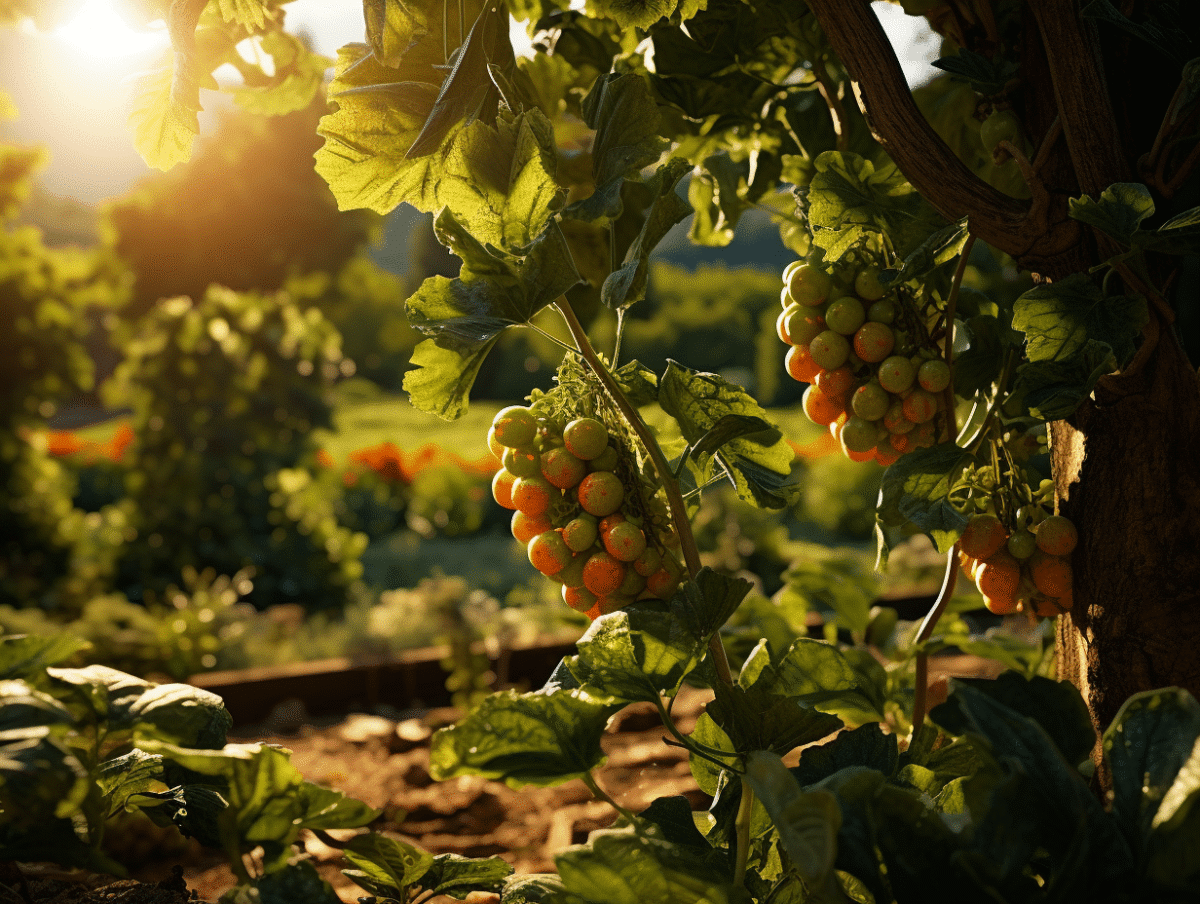
Growing juicy and sweet melons in your garden is an ambition for many gardening enthusiasts. These sun-soaked fruits require special care and optimal conditions to thrive. From choosing the right location with generous sunlight to the meticulous preparation of the soil, as well as selecting varieties suited to your climate and mastering irrigation, there are many steps to ensure a bountiful harvest. Don’t forget about pollination, often assisted by bees, and protection against pests; these summer delights require patience and know-how to achieve perfection.
Choosing the Right Melon Variety for Your Garden
Find the melon variety that will best adapt to your garden, navigating the vast diversity of species offered in the European catalog. With nearly a thousand varieties, the melon, native to Africa and a member of the Cucurbitaceae family, offers a range of flavors, textures, and colors. Cantaloupe varieties – such as Cantaloupe, Charentais, Noir des Carmes, and Petit gris de Rennes – are known for their sweet orange flesh. Their skin, ranging from thick and ribbed to speckled, covers fragrant flesh with an intense flavor.
Choosing a melon is not just about flavor. Consider the growth characteristics: Vert grimpant and Ananas d’Amérique à chair rouge are vining varieties with smaller but equally tasty fruits. The Vert d’Espagne ‘Pinonet’ and Jaune canari, varieties from Spain, stand out for their oval fruits, sweet white flesh, and delicate fragrance. These details are crucial for gardeners seeking harmony between tastes and the constraints of their environment.
Pollination is a key step for fruiting, and melon flowers play a central role in this process. Gardeners should therefore ensure they choose varieties suited to local pollinators or consider manual pollination to ensure fruit formation. Each variety has its own requirements and resilience to diseases, factors to consider for successful gardening. Take the time to analyze the specific needs of each variety before planting them in your garden.
Techniques and Tips for Melon Cultivation
Prepare the ground for your horticultural victory right from the choice of soil. Melons require a cool, rich, and well-drained soil, non-negotiable criteria for anyone hoping to successfully grow this crop. Adding compost or well-decomposed manure before planting optimizes the structure and fertility of the soil. In colder regions, growing under cover or using black mulch to capture solar heat will facilitate the success of your melon plants.
Seed preparation begins well before sowing the seeds in the ground. Indeed, growing melons requires foresight, with sowing needing to be done in pots under heated shelter as early as April. Follow the advice for optimal germination: a constant temperature of 20°C, special seedling soil, and moderate watering. Transfer the young melon plants to the ground after the last frosts, ensuring sufficient spacing between plants for their growth.
Once in the ground, the actions for successful melon cultivation become clearer. Favor regular watering without flooding the roots, and pay attention to fruit formation by removing excess female flowers. This practice, known as thinning, ensures concentrated production on the most promising fruits. Using fertilizer rich in potassium will contribute to the good growth of the fruits while strengthening the plant’s resistance to diseases.
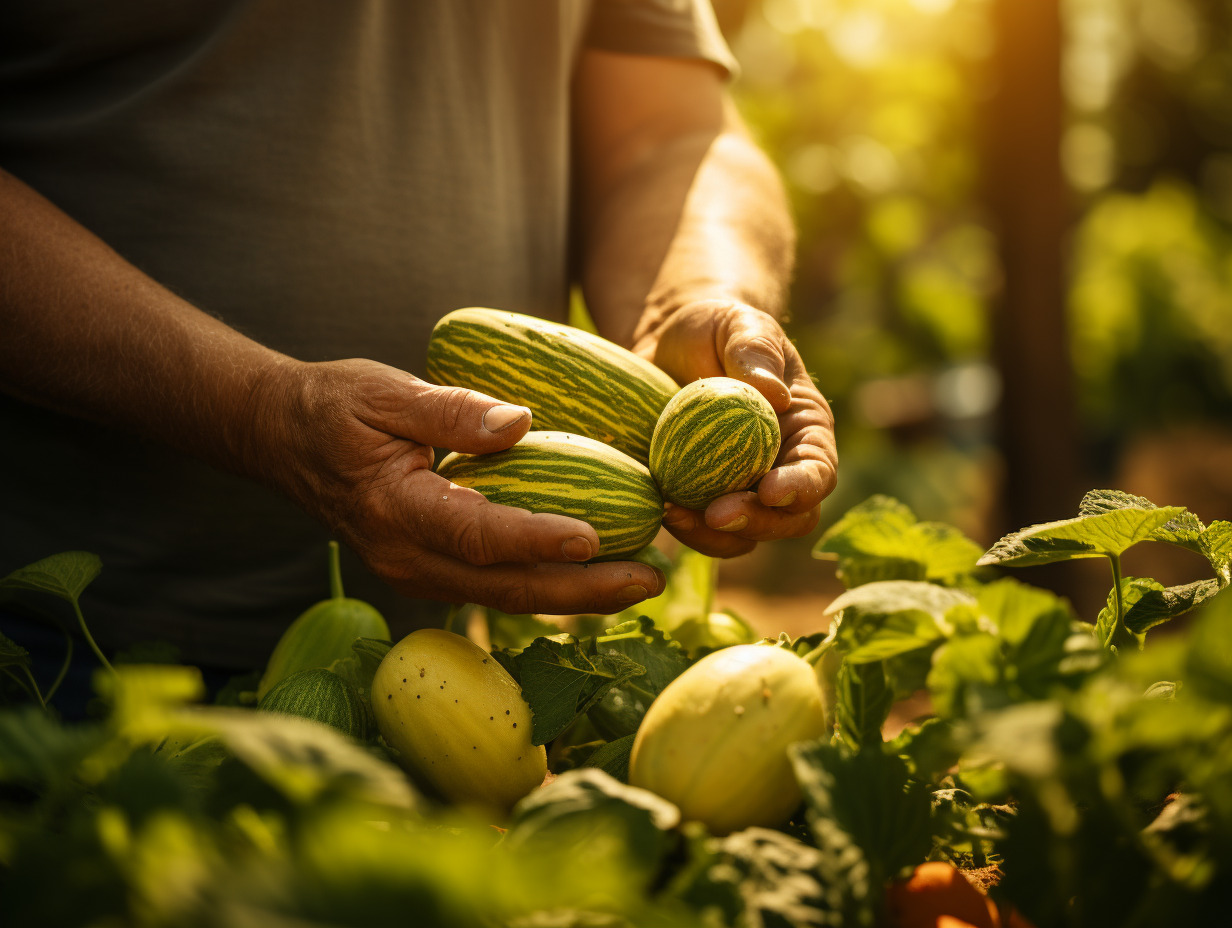
The harvest of melons is an art that is measured by careful observation of signs of ripeness. The color of the skin, the softness at the stem, and the fragrance emanating from the fruit are all indicators to watch closely. In the warm regions of France, the harvest can span from late July to September. Storing melons after harvest in a cool, airy place will extend the pleasure of enjoying these treasures from the garden.