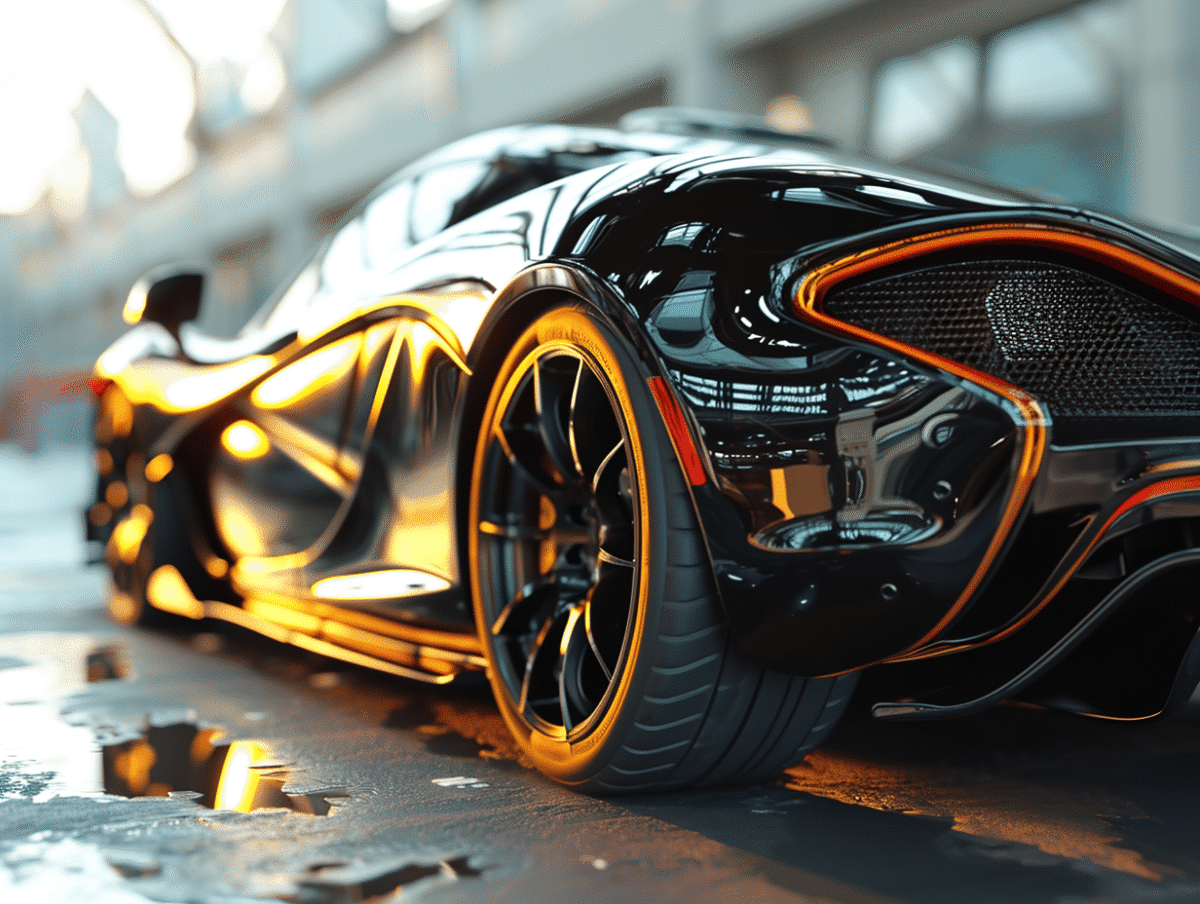
Car tuning lies at the crossroads of unbridled creativity and technical rigor. Passionate about aesthetics and performance, enthusiasts of this practice meticulously modify their vehicles, transforming each car into a unique work of art. But beyond the visual aspect, it is a matter of mechanical precision: engine optimization, aerodynamic improvement, chassis reinforcement. The modifications made stem from a deep understanding of the laws of physics, raising the debate about the true nature of tuning: is it a means of artistic expression or a scientific quest for automotive perfection?
Car Tuning: Between Aesthetic Passion and Technical Prowess
Car tuning, as a cultural practice, goes beyond the boundaries of simple customization. It is, in its own way, a tuning art, where each tuned vehicle is transformed into an exhibition piece, reflecting a personality, a style, a desire for uniqueness. Take the example of the GTI Meeting at Cap d’Agde, an emblematic event where vehicles are scrutinized, judged, and admired for their uniqueness. A Peugeot 306, adorned in its finest attire, can then become the star, chosen for its aesthetics, as was the case with Rudy Pastore, for the visual qualities it embodies.
But do not be mistaken, tuning is also a matter of technical prowess. Nox Autos, a recognized player in the field, is committed to demonstrating that every modification made to a vehicle must be in perfect harmony with its mechanics. The transformation is not only visual; it is technical: it involves reconfiguring the engine, fine-tuning the suspension, and refining the aerodynamics. Each component of the tuned vehicle is thus designed, calculated, and tested to achieve optimal performance, in accordance with the strictest physical laws.
Car tuning stands as a domain where art and science become one, where creative expression is inseparable from technical rigor. In this complex alchemy, tuning enthusiasts draw their inspiration from a vast reservoir of knowledge and techniques, which they apply with the precision of a craftsman. Whether for the pleasure of the eyes or for the pursuit of maximum efficiency, car tuning proves to be a constantly renewed experimental ground, where aesthetics and performance coexist for the greatest pleasure of connoisseurs.
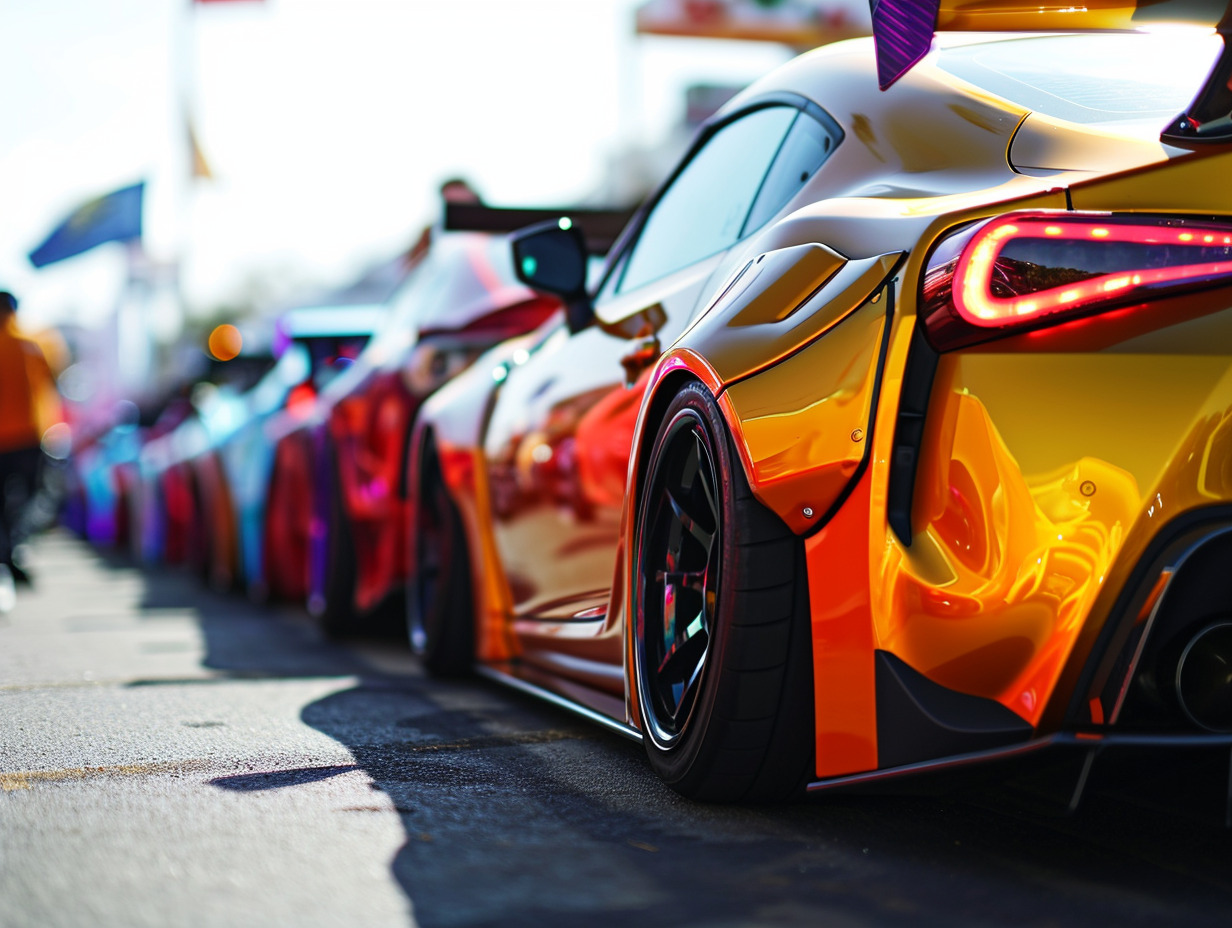
Tuning as Culture: Reflection on Identity and Personal Expression
At the heart of sociocultural issues, car tuning reveals itself as a space for individual expression and resistance. The tuning culture, often portrayed negatively by mainstream media, carries within it the stigmas of a struggle against a certain cultural homogenization. Academics, akin to those who might interpret the writings of Pierre Bourdieu, see in this phenomenon a form of counter-culture romanticism, where young men, the main actors of this scene, personalize their vehicles as an affirmation of their identity in a world where they often face academic failure and deindustrialization.
The young men, the predominant demographic of tuners, often under 25, invest a significant part of their identity in tuning. This activity, far beyond a simple hobby, is part of a process of self-affirmation and social distinction. These young people, through their creations, articulate a powerful visual discourse, where each car becomes the voice of a personal story, an identity expression that seeks to be both unique and shared within a community.
The working-class culture, to which tuning is often associated, thus finds a particular resonance in this practice. Pierre Bourdieu, in his analyses of popular aesthetics, emphasized that the latter is based on the continuity of art and life. Following this perspective, car tuning stands as a bastion of working-class aesthetics, where the tuned vehicle becomes a backdrop for the expression of a way of life, a resilience in the face of sometimes difficult social realities.
Tuning, beyond a simple aesthetic modification or technical improvement, asserts itself as a means of cultural expression. It offers its practitioners a space of freedom where social claims, identity search, and artistic creativity intertwine. Consider that each tuned car is a statement, a personal work, testifying to the inseparable link between the culture of a community and self-expression.