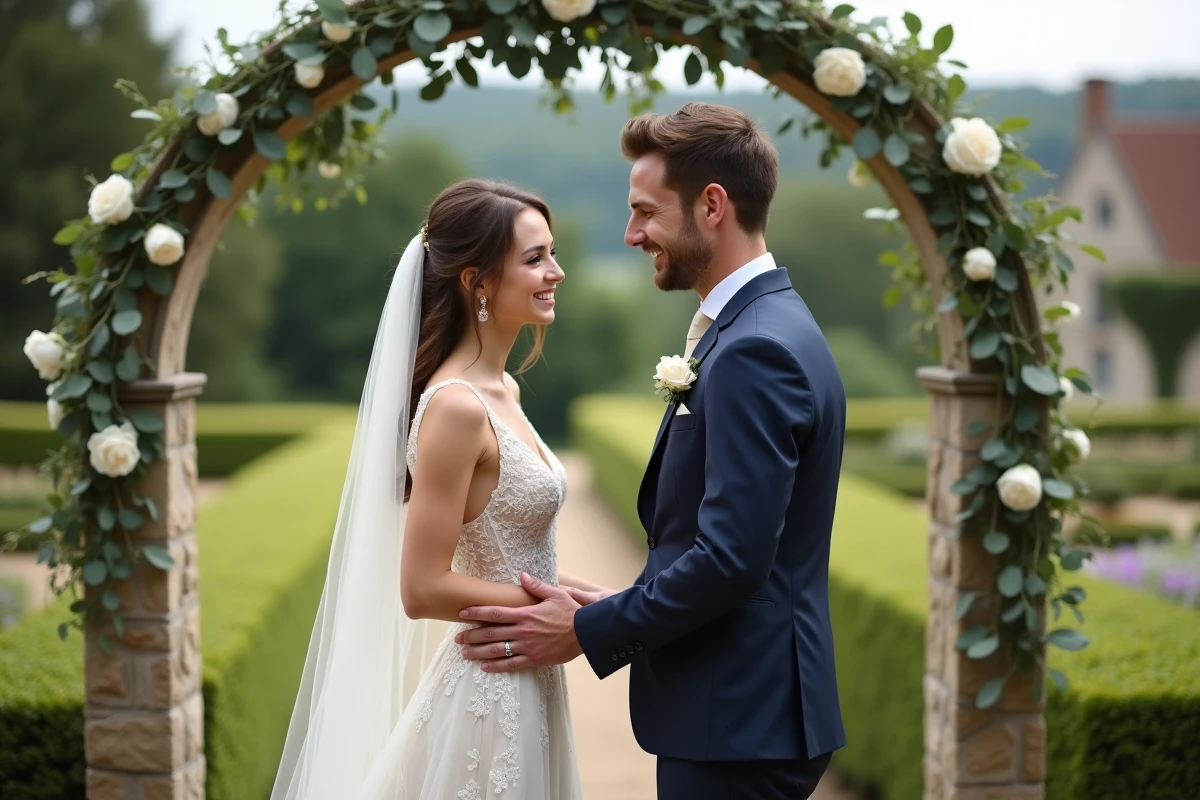
Organizing a personalized wedding involves coordinating aesthetic, logistical, and administrative choices that vary depending on the chosen format. A wedding celebrated in one’s home municipality does not entail the same constraints as a ceremony abroad, and this distinction influences a significant portion of the decisions made in advance.
Destination wedding: administrative obligations and health risks to anticipate
The destination wedding is increasingly appealing to couples, but it introduces constraints that traditional guides often overlook. Before booking a reception venue abroad, the first step is to verify the consular obligations of the chosen country. Some countries require a certificate of capacity to marry issued by the French embassy, a document that can take several months to obtain.
For distant destinations (Southeast Asia, Latin America, Africa), alerts from the Ministry of Foreign Affairs on diplomatie.gouv.fr should be consulted at the time of booking, and again a few weeks before departure. Health conditions evolve, and an alert issued after signing a contract with a local service provider complicates any cancellation.
Two precautions can reduce unpleasant surprises:
- Take out a specific cancellation insurance covering health and diplomatic reasons, separate from standard travel insurance.
- Require local service providers (caterer, photographer, officiant) to provide verifiable references and a bilingual contract with a refund clause.
- Have a local backup plan in case the trip needs to be canceled at the last minute, so as not to lose the date chosen by the guests.
A couple booking a venue in Nepal or Morocco without checking the latest consular alerts takes a considerable financial and organizational risk. Exploring the resources available on la-mariee.fr helps structure these steps before diving into the venue selection.
Wedding theme and decoration: creating visual coherence
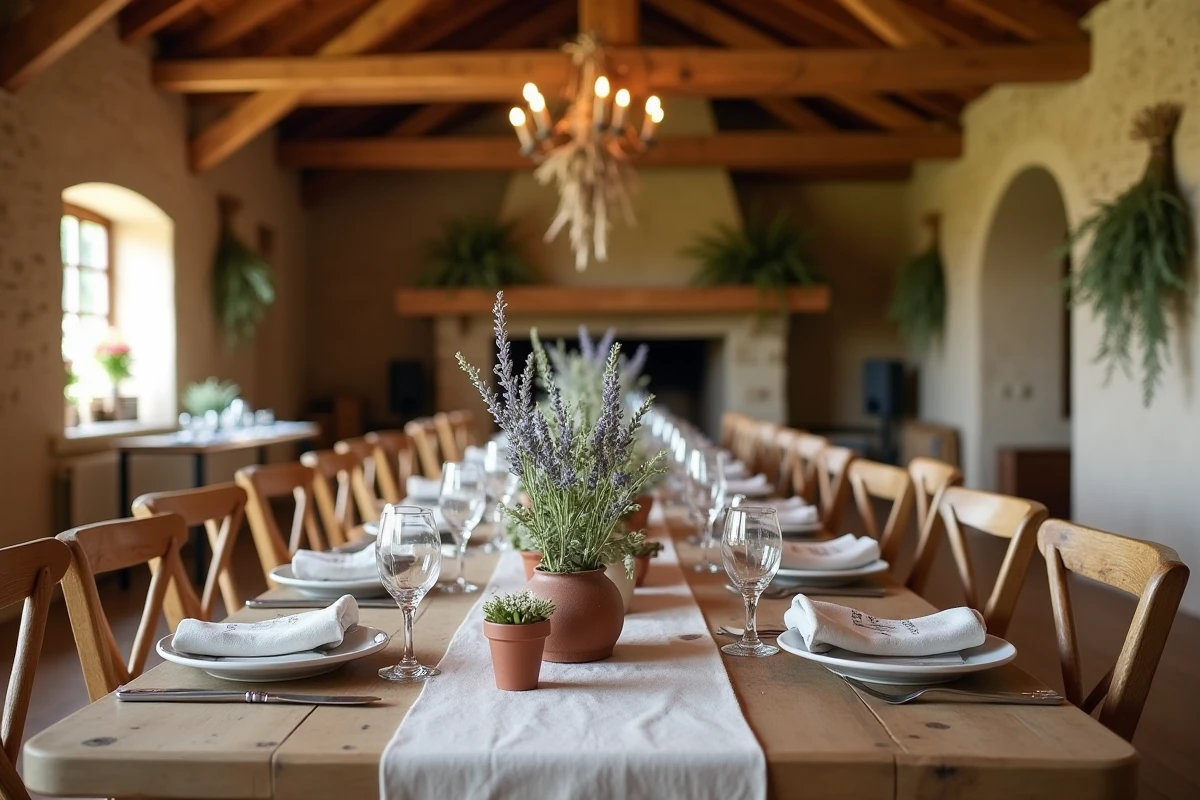
The theme is not just a simple Pinterest keyword. It is a decision-making framework that guides the choice of reception venue, color palette, invitation style, and even the menu. A well-defined theme reduces the number of trade-offs during the preparation.
Starting from a concrete thread
The most successful themes start from a tangible element rather than an abstract concept. A couple passionate about wine will choose a vineyard, incorporate burgundy shades into the decor, offer a wine tasting featuring local grape varieties, and provide guest gifts related to oenology. Coherence arises from the material, not from the mood board.
A theme works when it guides each service without forcing. If a decoration choice requires explanations to be understood by guests, the guiding thread is too abstract.
Sustainable and reusable decoration
The trend towards eco-friendly weddings goes beyond eliminating plastic confetti. More and more couples are opting for recycled or reusable decoration: thrifted vases, rented fabrics, dried flowers, digital stationery. This approach has a direct budgetary advantage since rented or second-hand items generally cost less than custom new ones.
Original wedding entertainment: what creates memories
Entertainment distinguishes a memorable wedding from a pleasant one. Guests may forget the paper weight of the invitations, but they will remember a shared moment that stands out from the ordinary.
Interactive entertainment during the cocktail hour
The cocktail hour is the moment when the ceremony guests and those attending the meal intersect. It is the ideal time for interactive entertainment: cocktail workshop in front of the guests (flair bartending), gift personalization station, or photobooth with theme-related accessories.
The entertainment works if it meets two criteria:
- It occupies the guests while the couple takes their photos (often a dead time).
- It produces an item or a memory that guests take home (Polaroid, personalized mini bottle, caricature).
- It does not require complex explanations: a guest arriving should understand the concept in a few seconds.
Musical atmosphere and sequencing of the evening
The choice between a DJ and a live band does not depend solely on the budget. A band creates stage energy during the meal, but a DJ manages the buildup to the dance floor better. Combining both at distinct times remains the most effective formula when the budget allows.
The classic pitfall: scheduling too many activities that fragment the evening. Two highlights are sufficient (one during the cocktail hour, one in the evening). The rest of the time, music and conviviality do the work.

Choosing the reception venue: the criterion that conditions everything else
The venue imposes technical constraints that couples often underestimate. An outdoor venue without a covered backup plan exposes them to the weather. A listed castle limits wall decoration possibilities. A hall without an integrated kitchen requires hiring a caterer with independent equipment, which increases costs.
Before signing, three points deserve on-site verification:
- The actual capacity in seated meal configuration (not the standing capacity advertised on the site).
- The end times allowed by the municipality, which vary significantly from one venue to another.
- Accessibility for guests with reduced mobility and the availability of parking.
The reception venue determines the caterer, decoration, and allowed sound volume. Choosing it first, before the theme and service providers, avoids having to revisit the entire project along the way.
A personalized wedding relies less on the accumulation of original ideas than on the coherence between the venue, the theme, and the rhythm of the day. Couples who establish these three parameters early in the planning save time on everything else, including the unexpected administrative issues of a wedding abroad.