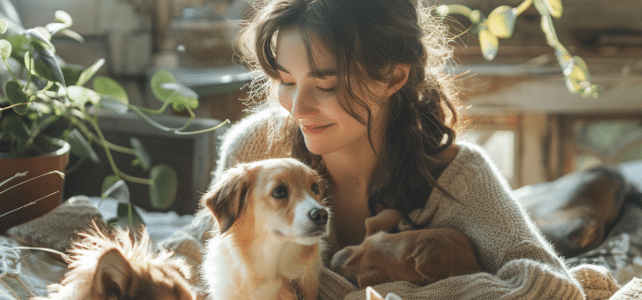
The enthusiasm for animal welfare has given rise to a variety of professions dedicated to the natural care of animals. At the heart of this trend, animal therapy professionals work to improve the quality of life for four-legged companions. These specialists, often passionate about wildlife, train in various fields ranging from physiotherapy to aromatherapy, including veterinary acupuncture and canine massage. Their practices, increasingly sought after by pet owners concerned with gentle methods, reflect a global movement towards holistic and nature-respecting care.
Professions at the Heart of Animal Therapy
Within the ecosystem of animal health, various professions are emerging to meet the specific needs of animals and their owners. The veterinarian, a cornerstone of this medicine, no longer just treats diseases; they also prevent disorders and ensure comprehensive follow-up for the animal, whether in the clinic or at home, after a rigorous six-year training. Meanwhile, the animal behaviorist intervenes to correct undesirable behaviors in domestic animals, thus playing a key role in the harmony between species.
Consider the animal osteopath, a profession gaining recognition and relevance. Through specific manipulations, this expert treats animal pathologies, contributing to their physical well-being and structural balance. The training of these practitioners, supervised by institutions such as the French School of Animal Osteopathy (EFOA) and regulated by the National Council of the Veterinary Order (CNOV), ensures the expertise and quality of care essential to this growing profession.
In a more relational dimension, the animal mediator and the guide dog trainer for the blind work to create strong bonds between animals and humans, whether for assisted therapies or for the education of dogs intended to accompany people with disabilities. While the mediator uses the animal as a catalyst in the healing process, the trainer dedicates four years to specialized training to obtain the status of educator, enabling guide dogs to become the eyes of their owners.
Natural Approaches and Animal Welfare: Practices and Training
In response to a growing demand for nature-respecting treatments and animal welfare, animal naturopathy is emerging as a thriving discipline. This practice relies on the use of natural remedies and gentle techniques to maintain or restore the health balance of animals. Training in animal naturopathy is diverse, ranging from certified internships to specialized university diplomas (DU), opening the door to recognized expertise in the field of natural care.
Animal osteopathy, with its manual techniques aimed at preventing or treating various pathologies, requires specialized training. The French School of Animal Osteopathy (EFOA) stands out in this sector by offering a comprehensive curriculum for future animal osteopaths. After their training, they must pass an exam organized by the National Council of the Veterinary Order (CNOV) to validate their competence and right to practice.
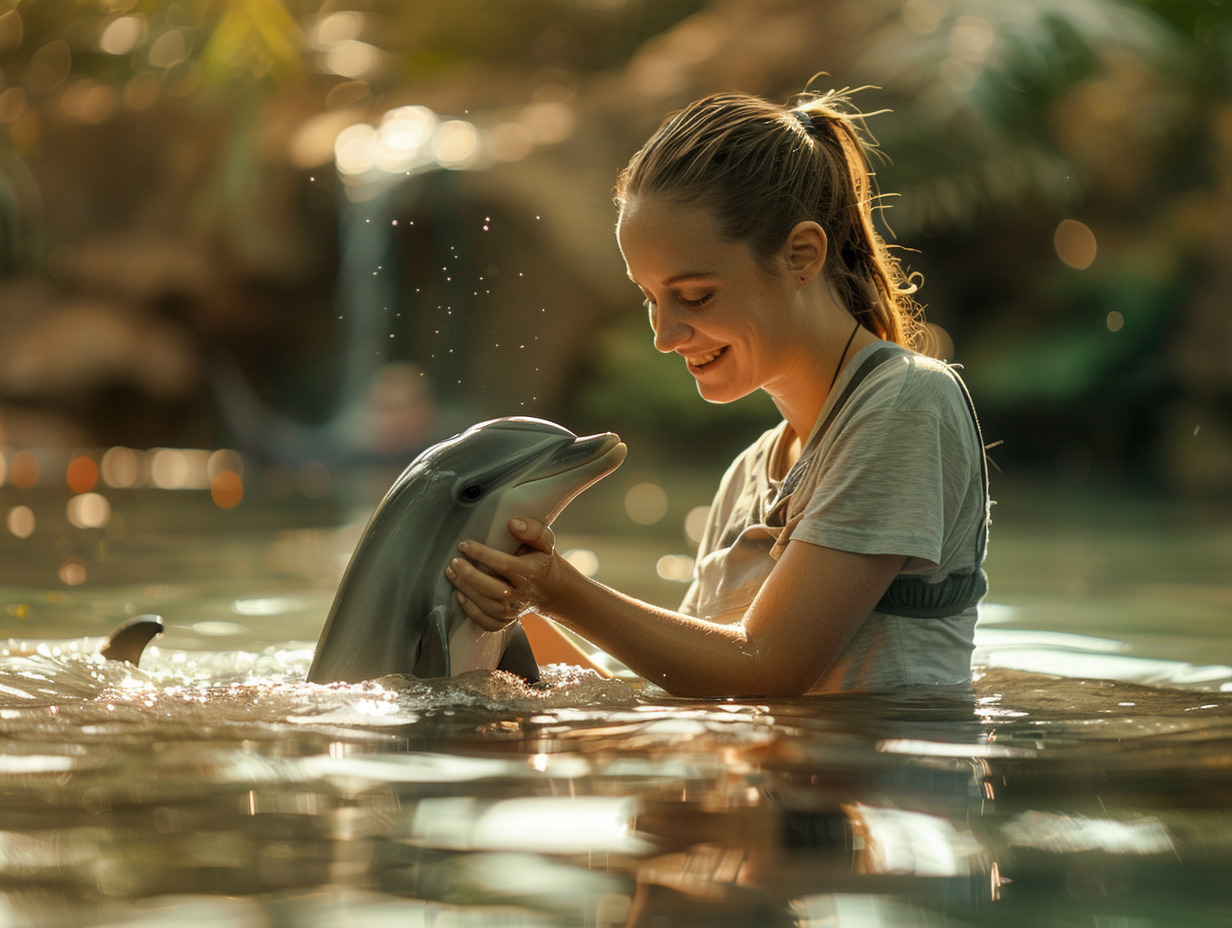
Alongside these care-centered practices, animal-assisted therapies are establishing themselves as a beneficial field for both human and animal well-being. Professionals in this field rely on the presence and interaction with animals to promote healing or improve the quality of life for people suffering from various conditions. Training dedicated to assisted therapy is currently being structured, adapting to scientific advancements and feedback from field experiences.