
The Nutribullet is a personal blender designed for smoothies, not for heating food. This technical distinction changes the way we approach soup preparation with this device. Blending raw vegetables cold, then warming the result on a stovetop or in the microwave: that is the true method for making hot soups with a Nutribullet.
Why the Nutribullet Doesn’t Heat Your Soups
Some high-end blenders, like those from Vitamix, generate enough friction from the rotation of their blades to raise the temperature of a liquid preparation. The Nutribullet does not fall into this category. Its motor and blades are sized for the quick blending of cold or room temperature ingredients, not for a gradual increase in heat.
Further reading : How to Easily Book a Reliable and Comfortable Taxi in Your Area
This limitation has a direct consequence: the Nutribullet blends soups but does not cook them. The process occurs in two distinct phases. First, you prepare the ingredients (pre-cooking or using suitable raw vegetables), then you blend them in the device before warming everything separately.
The market for heating blenders has evolved in recent years, with devices now offering dedicated programs for soup, velouté, or compote. If you are looking for Nutribullet soup ideas, the approach remains different from that of a heating blender: the Nutribullet excels at fine blending, not cooking.
Related reading : Practical Guide: How to Easily Print a Shipping Label for Your Package with Mondial Relay
Nutribullet Safety with Hot Liquids
Pouring boiling liquid directly into a Nutribullet is a mistake that many make. User feedback on forums (notably Reddit) describes a specific phenomenon: steam creates a vacuum effect under the lid, making it impossible to open or causing a violent expulsion of the contents.
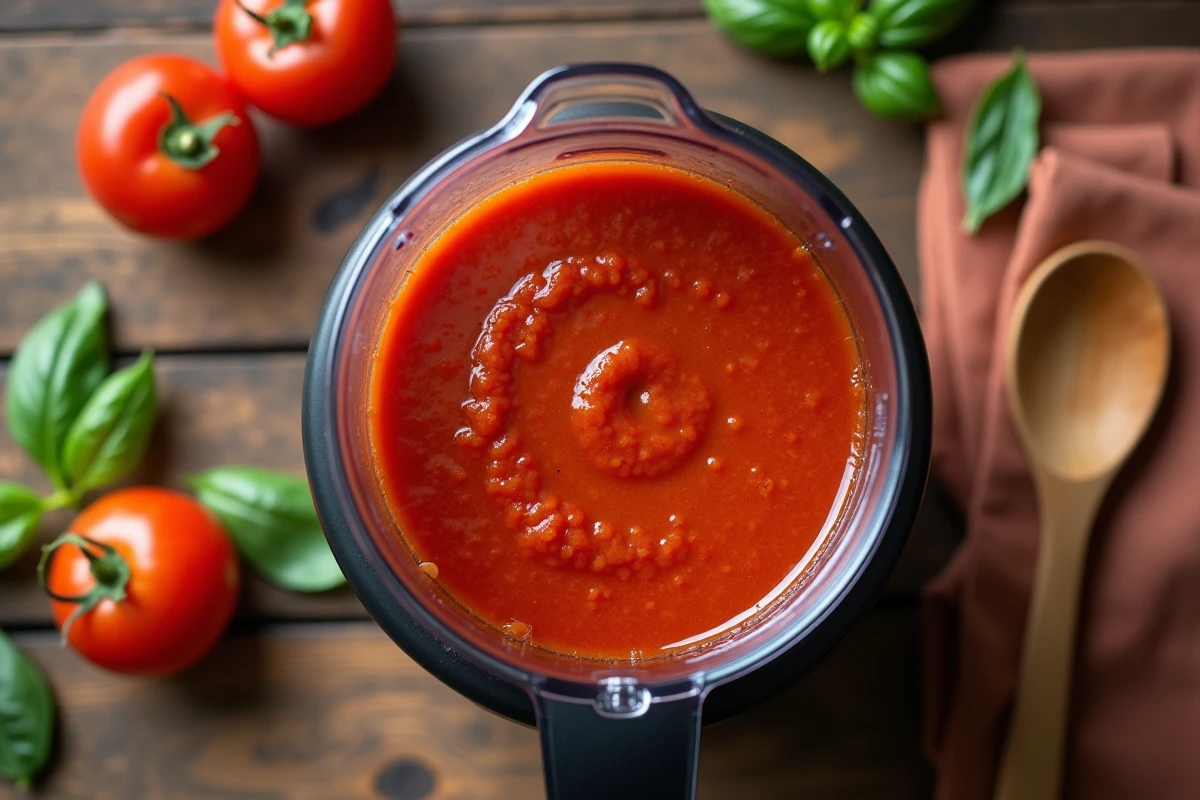
The risk of burns is real. The Nutribullet cup screws on upside down to the motor base, which means that internal pressure has no release valve. With hot liquid, steam builds up and the system becomes dangerous.
To use your device safely with warm preparations, a few precautions are necessary:
- Let cooked foods cool to a warm temperature before placing them in the cup, never directly after cooking
- Never fill the cup beyond two-thirds to allow space for residual steam
- Blend in short pulses rather than continuously, checking the pressure under the lid regularly
- Place a folded towel over the top of the cup during blending to contain any potential splatter
These precautions are not always included in the official manual for the device, but they are widely documented by regular users.
Concrete Method for Preparing Soup with the Nutribullet
The blending power of the Nutribullet produces very smooth textures, making it a suitable tool for veloutés. The principle relies on separate cooking followed by cold blending.
Cook the Vegetables Before Blending
The most reliable method is to cook your vegetables in a pot, steam, or oven before blending them. Roasted vegetables (carrots, squash, sweet potatoes) yield soups with more depth of flavor than simply boiled vegetables.
Once cooked, let them cool for about twenty minutes. Then add a liquid (broth, plant milk, cooking water) to the cup with the warm vegetables, and blend.
Raw Soups Blended Then Reheated
Some vegetables lend themselves to raw blending in the Nutribullet: ripe tomatoes, cucumber, avocado, peppers. The result is a gazpacho or a cold soup that you can then gently reheat in a pot if you prefer to serve it hot.
The Nutribullet blades effectively chop fibrous vegetables like celery or leeks, provided you add enough liquid for proper blending. An overfilled cup with solids without liquid strains the motor and results in a grainy texture.

Recipes Suitable for the Nutribullet and Its Limits
Not all soup recipes are suitable for this device. The volume of the cup limits quantities (one to two servings per blend), and the lack of a heating function directs you towards specific preparations.
A butternut squash velouté works well: roast the squash in the oven, let it cool, then blend it with broth and a pinch of nutmeg. The resulting texture is finer than with a traditional immersion blender.
Roasted tomato soup follows the same principle. Tomatoes, garlic, and onion roasted in the oven, then blended with a drizzle of olive oil. The Nutribullet produces a smooth velouté in seconds, where an immersion blender often leaves chunks.
For soups based on legumes (lentils, chickpeas), blending yields very creamy results. Cooked legumes easily turn into a smooth purée, and gradually adding liquid allows you to control the thickness.
On the other hand, chunky soups are not suitable for this device. The Nutribullet does not offer a texture setting: it blends everything uniformly. If you prefer a minestrone or a rustic soup with chunks, another utensil would be more appropriate.
The Nutribullet remains a versatile device, ideal for smoothies and cold preparations. It can adapt to making soups as long as you respect its technical constraints. Cooking is always done beforehand, blending comes next, and reheating is finished on the stovetop or in the microwave.