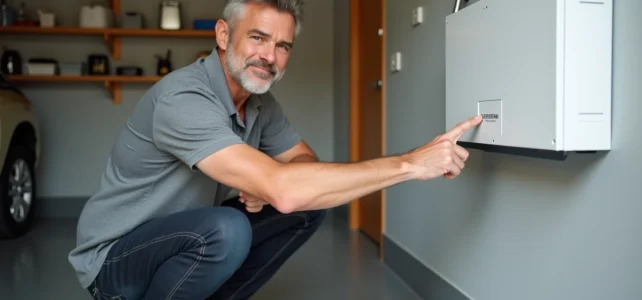
The Hörmann SupraMatic E2 motorization equips a large number of garage doors in France, but its programming remains a recurring source of frustration. Loss of limit settings after a power cut, remote control that no longer responds, parameters shifted for no apparent reason: situations requiring a reset are more frequent than one might think. This guide details the concrete steps to regain control of the automation without calling a technician.
Power Outage and Loss of Limit Settings on SupraMatic E2
Many installers and users report the increased sensitivity of the SupraMatic E2 to power outages. Even a micro-cut of a few seconds can be enough for the operator to lose its high or low limit position.
You may also like : How to Easily Book a Reliable and Comfortable Taxi in Your Area
The motor then no longer knows where to stop. It may attempt a full run, force on the rails, or simply refuse to start, blinking without producing movement. This behavior is confusing because nothing has been intentionally changed. Feedback from recent installations confirms that a complete reset remains the only reliable response in this scenario.
Before restarting the learning procedure, it is necessary to check that the door slides manually without any sticking points. Unlock the carriage using the release cord, and manually raise and lower the door throughout its travel. If there is any friction or blockage, resolve it first; otherwise, the motor will record false limit settings.
Recommended read : Practical Guide: How to Easily Cancel a Visa Application on TLScontact Morocco
For those who wish to reset and program a Hormann SupraMatic E2 with a visual step-by-step guide, the detailed procedure covers each step of the reset.
Complete Reset Procedure for the Hörmann Motor
Factory resetting erases all saved settings: limit positions, paired remotes, timers. It starts from scratch.
Accessing the Reset Mode
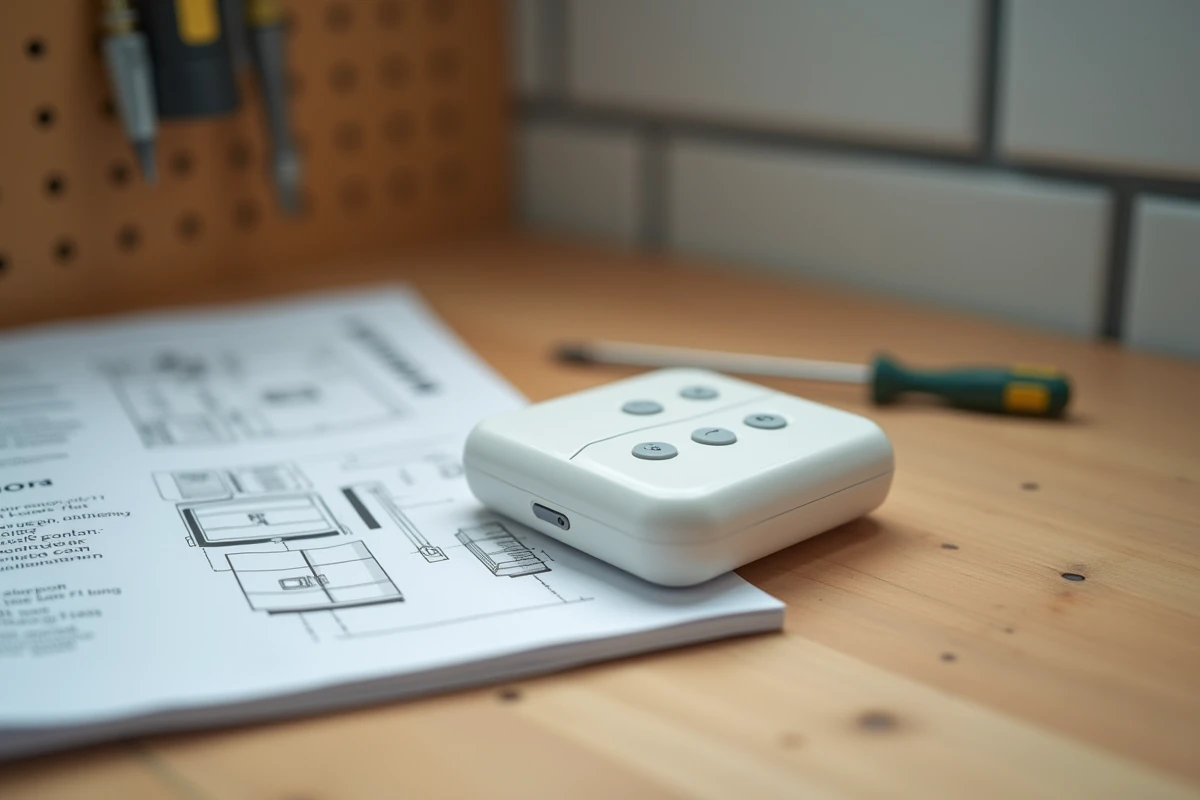
On the control box fixed to the rail, locate the navigation buttons (arrows and confirmation button). The current settings are indicated in the menus by a light point, allowing you to visualize the current state before erasing anything.
Press and hold the programming button for several seconds until the display blinks. The blinking confirms entry into reset mode. Release, then confirm the reset. The motor emits an audible or visual signal to confirm the erasure.
Restart Learning of Limit Positions
Once the reset is complete, the motor must relearn its extreme positions. The sequence is as follows:
- Start an open command: the motor slowly rises at reduced speed until you confirm the desired high position
- Start a close command: same principle, the motor descends to the low position that you manually confirm
- Perform a complete test cycle (opening then closing) so that the electronics permanently record the two stops
The door must complete at least one full cycle without interruption for the positions to be correctly memorized. Interrupting the run by pressing the remote during this phase requires starting over.
Programming Hörmann Remotes on SupraMatic E2
Pairing a remote control works independently of programming the limit settings. Hörmann remotes use a proprietary radio protocol, and each transmitter must be registered individually in the memory of the receiver integrated into the motor.
On the box, press the radio learning button (often identified by an antenna icon). A light comes on to indicate that the receiver is waiting for a signal. Then press the desired button on the remote. The light blinks and then goes out: the transmitter is registered in the memory of the receiver.
To delete all registered remotes, hold the learning button down longer (the duration varies depending on the firmware versions, but it generally exceeds that of a simple pairing). This global deletion is useful in case of selling the property or losing a remote that you want to revoke access to.
Partial Pedestrian Opening: An Underutilized Feature
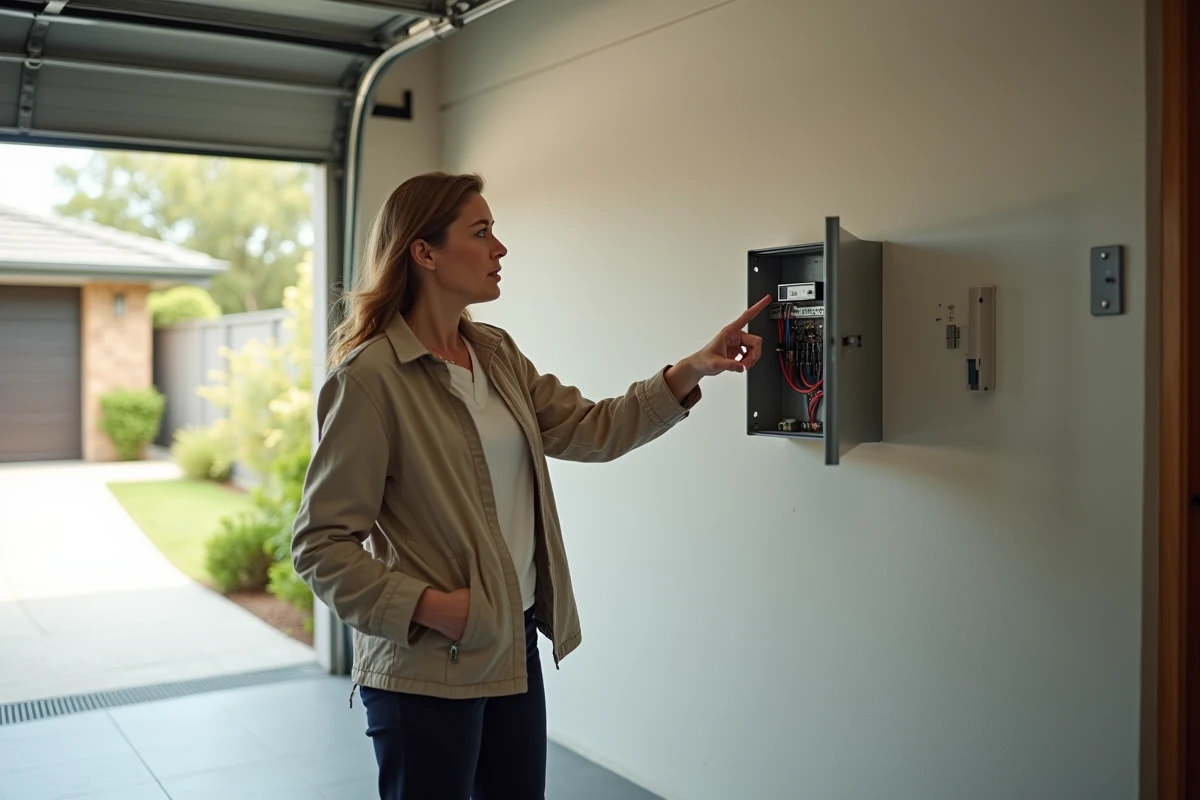
The SupraMatic E2 includes a partial opening function that allows the door to be raised to a reduced height, programmable according to needs. Specialized installers report that this feature is rarely configured, even though it provides a practical benefit for garage ventilation or allowing a pet to pass without fully opening the door.
This partial opening is programmed on a dedicated button of the remote control. The lift height is adjustable in the settings menu of the box. Once defined, pressing the relevant button triggers only the partial run, without affecting the normal operation of the other buttons.
Home Automation Integration with a Shelly Module on SupraMatic E2
Home automation integrators have been documenting the wiring of a Shelly 1 Wi-Fi module with impulse contact on the SupraMatic E2 for a few years. The principle is simple: the Shelly simulates a press on the wired push button, allowing control of opening and closing from a smartphone or voice assistant.
The technical point to remember: the programming of limit settings and remotes is entirely managed by the Hörmann electronics. The Shelly module does not modify any parameters of the automation. It connects in parallel to the existing push button, without interfering with the radio protocol of the remotes.
This approach appeals to users who want to integrate their garage door into a connected ecosystem (Home Assistant, Google Home) without altering the original configuration of the motor. Field feedback varies on the reliability of Wi-Fi in a metal garage, and some prefer a Zigbee relay to bypass this radio range issue.
The SupraMatic E2 remains a robust automation system whose programming logic, once understood, can be mastered in a few minutes. The most common pitfall is the unprotected power cut: a basic uninterruptible power supply or surge protector on the motor’s plug prevents most unwanted resets. It’s better to prevent the loss of limit settings than to have to restart the learning process after every storm.